In this article, we delve into practical strategies to protect against dark web card number theft, ensuring your financial data remains secure. After hackers collect this info, they post it to one of the dark web marketplaces where it can be sold. The leaked data from the BriansClub hack showed that stolen cards from U.S. residents made criminals about $13 to $17 each, while those outside the U.S. sold for up to $35.70, Krebs reported. When hundreds or thousands are bought at once, that becomes a lucrative crime. As B1ack’s Stash prepares to release its trove of stolen credit cards, law enforcement agencies and cybersecurity firms are working around the clock to trace the origins of these breaches and prevent further exploitation. The cybersecurity community is on high alert as B1ack’s Stash, a known marketplace on the dark web, has announced a massive leak of 4 million stolen credit card details.
Unmasking The Underground: Navigating The Threat Of Dark Web Credit Card Marketplaces
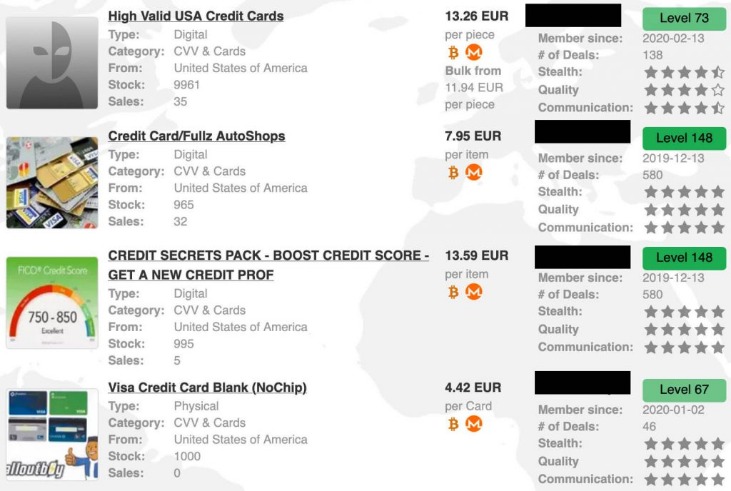
This post will discuss deep and dark web credit card sites, specifically the top illicit credit card shops. As one of the prominent platforms supporting such activities, card shops make carrying out such scams relatively easy and popular. This technology helps in identifying potentially fraudulent use of credit card information by monitoring the Bank Identification Number (BIN). While consumers are typically protected from direct financial losses, dealing with credit card fraud is incredibly disruptive. AllWorld.Cards appears to be a relatively new player to the market for selling stolen credit-card data on the Dark Web, according to Cyble. “Our analysis suggests that this market has been around since May 2021 and is available on a Tor channel as well,” according to the post.
Start Your Protection,
The dark web is often misinterpreted as a small, hidden section of the internet. In reality, it is a vast network where anonymity is preserved, and illegal activities can thrive. Credit card theft is one of the most common financial crimes facilitated through this murky realm. These systems can often identify when stolen card data is being tested before major fraud attempts begin. The impact of dark web credit card fraud extends far beyond individual card holders. Canceling your PayPal account or credit card is a crucial step in preventing further unauthorized transactions.
Carding Is A Cyber Crime Niche Of Its Own
They’re on there, making accounts, exploring the site, watching key players buying credit cards, and taking notes. Not only is stealing someone’s credit card illegal but then selling that is also illegal, and then someone else using the stolen credit card is illegal too. Once obtained, these stolen credit cards are quickly sold on the dark web, where they can be used for fraudulent transactions or identity theft. Protecting your credit card information is crucial to avoid financial loss and potential legal troubles. By regularly monitoring your credit, using secure payment methods, and being cautious online, you can minimize the risk of your credit card falling into the wrong hands.
He has more than 25 years experience as an editor and writer in the Washington, D.C., area. Prior to that, he was a digital editor at WAMU 88.5, the NPR affiliate in Washington, and he spent more than a decade editing coverage of Congress for CQ Roll Call. “I believe we will be seeing carding increase as Russia is sinking economically and politically” because of the war and the resulting sanctions, Volovik says.

Financial institutions shoulder increased operational costs tied to investigating fraudulent activities and failed authentication attempts. Customers who lose their card data to fraud may turn to a different card while waiting for a replacement card, threatening the top-card effect of passing all spending across one preferred card. In some markets, like the US market, those interchange fee revenues can approach 3% of all transactions. Simultaneously, customers face the risks of identity theft, damaged credit scores, and the emotional toll of financial fraud.
Using Virtual Payment Cards
- Telegram carding groups have become a significant threat in the cybercriminal community, with tens of thousands of members easily accessible through the chat application.
- In this article, we’ll take a deep dive into some real-live techniques and scripts used by threat actors to commit credit card fraud.
- All of these features, its competitive pricing, along with the volume of credit card information listings, make Real and Rare one of the prime sites to trade credit card information online.
- The cards were likely compromised online, using phishing, malware, or JavaScript-sniffers, which are increasingly popular among cybercriminals.
- The hacker was later caught and jailed, but not before five people, including the hacker, were indicted for attacking various retailers, financial institutions, and payment processing firms.
Financial institutions can proactively strengthen their defences by integrating intelligence derived from FraudAction. This involves leveraging insights from compromised credit card feeds into security protocols, enabling institutions to identify potential threats, block fraudulent transactions, and enhance overall risk management. This not only protects against financial losses but also reinforces customer trust.
Cass-Gottlieb told a parliamentary committee there had only been a few instances of fraudsters successfully scamming victims out of money by pretending to be from Optus. If the investigation reveals serious or repeated privacy breaches, the commissioner has the power to seek civil penalties through the Federal Court of up to $2.2 million per contravention. The cards affected are mostly VISA, Mastercard and American Express cards.
Darkweb Market BidenCash Gives Away 12 Million Credit Cards For Free
- Cyberthreats are constantly evolving, and your security measures should be continuously updated as well.
- These underground platforms facilitate anonymous transactions where criminals can purchase credit card information in bulk, complete with the cardholder’s name, number, and CVV.
- Slim CD, the company responsible for the breach, has taken steps to implement additional safeguards to its network.
- The black market for stolen credit cards is a massive illegal business, with cybercriminals getting their hands on card data in a number of ways.
- The key is catching this activity before large volumes of card data make it to market.
In recent years, I’ve observed some shifts in how carding is carried out—changes that mirror broader developments in both technology and threat intelligence research. Notably, cryptocurrency has become a valid option for carding operations, whether through exploiting stolen crypto wallets and accounts or using stolen credit card details to purchase cryptocurrency. Post the dismantling of Joker’s Stash, cybercriminals displayed adaptability by establishing new marketplaces to fill the void, highlighting the resilience of criminal enterprises.
Collecting used keystrokes is how hackers typically guess credit card numbers, PINs, and passwords. Another unique feature Brian’s Club has is the auctions it offers during which users can reserve, bid, and outbid other users who want to purchase exotic BINs. Active buyers are also eligible for free gifts and dumps depending on their volume. All of these features, its competitive pricing, along with the volume of credit card information listings, make Real and Rare one of the prime sites to trade credit card information online. By monitoring dark web markets, we often discover data breaches before they’re publicly reported. Banks and credit card companies lose billions annually to fraud, but the real cost isn’t just in fraudulent transactions.
Detecting Dark Web Credit Card Fraud
The dark web has become a hub for credit card fraud, making it a significant concern for both individuals and businesses. Criminals can easily sell stolen credit card information to other malicious actors on the dark web, leading to potential financial devastation for victims. Personal credit card data can be exploited for various illegal activities, including making fraudulent purchases or even creating counterfeit cards. Card Shops are a type of dark web marketplace that hosts the trade of credit cards and other stolen financial information.

People unexpectedly have their card cloned, their identities stolen, or their accounts hacked. Most stolen card details end up on the dark web marketplace for a quick profit, and this can happen before you even know about it. This is how the site admins encourage users to post their stolen credit card details on their site first. Since it was established in 2020, Real and Rare has been considered to be a stable credit card site that suffered very few downtimes.
Carefully vet the websites and online platforms you use for purchases and ensure they have secure payment methods, such as encrypted connections and two-factor authentication. Look for reputable sellers with positive reviews and avoid suspicious websites or deals that seem too good to be true. Additionally, consider using virtual credit cards or prepaid cards for online purchases, as they limit exposure to your personal credit card details. By choosing a secure payment method, you can significantly reduce the chances of your credit card information falling into the wrong hands.
Millions Of Credit Card Details For Sale On Dark Web For As Little As 75p
These platforms often provide additional layers of authentication, such as two-factor authentication or biometric verification, ensuring the protection of your financial information. With this stolen information, fraudsters can make unauthorized purchases, withdraw funds, or even create counterfeit credit cards. The risks are real, as victims can face significant financial losses, damage to their credit scores, and potential identity theft. To validate the credit card numbers, the attacker deploys a bot—software that performs automated operations over the internet—to make small purchases on multiple payment sites. Each attempt tests a card number against a merchant’s payment processes to identify valid card details. Compromised online accounts can also lead to your credit card information being published on the dark web.
To pull off these credit card scams, D2 and other fraudsters would sign onto sites on the dark web and simply pay a small fee—as little as $35 — for victims’ credit card information. A few years later, at the time of filming, he said his “plug”—the person through which he’d get his credit card information—was also only 14. In addition to the risk for payment card holders, the leaked set could also be used in scams or other attacks targeting bank employees. Due to limited data on credit cards from other countries, we were unable to adequately compare prices for credit cards from different places. If you notice suspicious activity, you can pause or close your virtual card in a few clicks—–via either Privacy’s web app or mobile app—and Privacy will decline any subsequent payment requests on the card. You won’t have to block and replace your actual payment card, which is often a complicated and lengthy process.