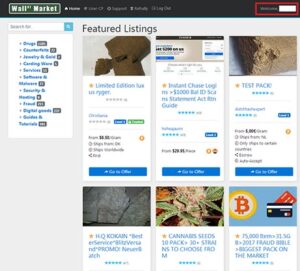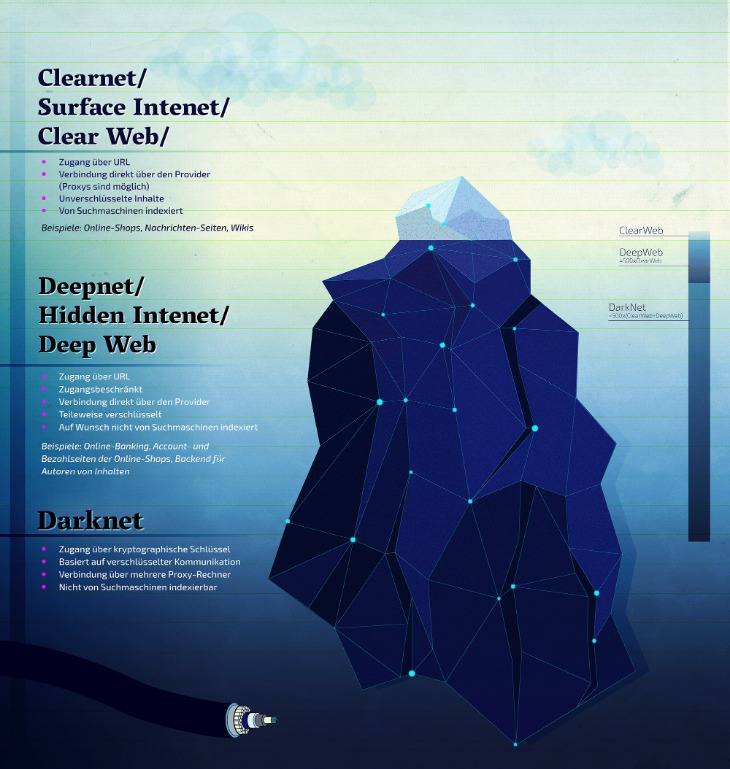
Darknet markets, also known as “cryptomarkets,” are online marketplaces that operate on the dark web. These markets allow users to buy and sell illegal goods and services, such as drugs, weapons, and stolen data, using cryptocurrencies like Bitcoin. One question that many people have about darknet markets is whether or not they charge vendors fees. These fees are typically a percentage of the total sale price and are used to cover the costs of running the marketplace, such as server maintenance and security measures.
What Is Dream Market?
In fact, Bitcoin wasn’t embraced by the darknet either until it became more convenient to use. It scans darknet marketplaces and hacker forums to alert you instantly if anything shows up. This way, you can catch any leaks and stop them before they cause bigger problems. If you think the Dark web marketplaces are just online shops, you’re wrong — these sites are the actual weapon stores for criminals. They provide criminals with access to everything they need, from launching attacks to stealing data, etc. These markets are dangerous anyway and shouldn’t be accessed even if they’ve onion addresses.

Are There Any Ways To Avoid Paying Fees?
Darknet markets, such as Dream Market, have become increasingly popular for buying and selling illicit goods and services online. These marketplaces operate on the dark web, which is a part of the internet that is intentionally hidden and requires special software to access. One common question that many people have about darknet markets is whether or not they charge vendors fees. Darknet markets are online marketplaces that operate on the dark web, which is a part of the internet that is not indexed by search engines. These markets allow users to buy and sell illegal goods and services, such as drugs, weapons, and stolen data, with anonymity. Before diving into the topic of transaction fees, it’s important to first understand what darknet markets are.
These paid options aim to enhance trust and safety within the marketplace by providing additional assurances to both buyers and sellers. In conclusion, most darknet markets, including Dream Market, do charge vendors fees in order to sell their goods and services on the platform. These fees can provide a number of benefits for both buyers and sellers, including increased visibility, trustworthiness, and protection from scams and fraud. However, it is important to note that not all darknet markets charge vendors fees, and the amount of fees charged can vary depending on the marketplace and the type of goods being sold.
How Do Darknet Vendors Hide Their Digital Footprints?
These markets allow users to buy and sell a wide range of goods and services, including illegal drugs, weapons, and stolen data. One common question that vendors and buyers have about darknet markets is whether they charge fees for using their platform. They navigate the encrypted networks of the dark web, offering a wide range of products, including drugs, counterfeit items, hacking tools, and more. These vendors often use pseudonyms and cryptocurrencies for anonymity and conduct transactions on darknet marketplaces.
Did The Silk Road Marketplace Go Under?
As complex systems, digital infrastructures are exposed to major breakdowns determined by the propagation of local failures into large-scale disruptions (Hanseth & Ciborra, 2007). When digital infrastructures operate under adverse conditions, such as for instance in case of cyberattacks, generative processes are triggered to react to disruptions and breakdowns. The sixth and last step focuses on the assessment of explanatory power of the identified mechanisms. We treated the proposed mechanisms as a candidate explanation of digital infrastructure persistence, and we evaluated them against the empirical evidence.
NFC Access On Apple Devices
- These costs can include things like server maintenance, security, and customer support.
- Darknet markets, also known as cryptomarkets, are online marketplaces that operate on the dark web.
- Some marketplaces may offer free transactions for certain types of purchases or for buyers who meet certain criteria.
- In particular, we show that OBMs infrastructure is the result of commoditization, platformization and resilience processes.
- He was a competitor in the World Beard and Moustache Championships and an active member in an app called BeardWars.
For example, the popular darknet market Dream charges vendors a commission of 5% on all sales. In conclusion, darknet markets like Dream do charge vendors fees as a way to generate revenue and cover the costs of running the marketplace. These fees help to ensure that vendors are serious about their listings and are not simply trying to scam customers. These services include listing products, handling transactions, and providing customer support. Darknet markets may also charge for other services such as escrow services, dispute resolution, and custom orders. These fees are used to cover operational costs and generate a profit for the marketplace.
Common Scams And Fraudulent Activities On Darknet Markets
This points to the application of mechanisms for automatic price adaptations on the market level. And feedback in combination with signals of commitment and authenticity inform pricing. Trading illicit drugs on cryptomarkets differs in many ways from material retail markets.
Types Of Charges On Dream Market
A crucial aspect of these markets is the fee structure imposed on vendors who wish to sell their merchandise. Understanding whether darknet markets like Dream charge vendors fees is essential for both prospective vendors and buyers. While some darknet markets like Dream do charge vendors fees, the specific details of these fees can vary from one marketplace to another. Vendors who are considering selling on darknet markets should carefully research the fee structures of different platforms to determine which one best suits their needs. He was handling all the transactions by hand, which was time-consuming but exhilarating. It wasn’t long before enough vendors and users made it a functioning, growing marketplace.
Imagine an underground version of your favorite online marketplace, somewhere hidden, exclusive, and often operating outside legal boundaries. It is similar to an online store, except it’s not the type you’ll find with a quick Google search. Prosecutors claimed that since May this year, there were a minimum of 85 different customers hanging out on the SlangGangCentral Wickr chat. AlphaBay, until recently the biggest online darknet drug market, has been offline since July 4, leaving a whole lot of online drug vendors and buyers in the lurch. The growing consensus is that admins have shut down the site, taking millions of dollars in crypto-currency with them in what could possibly be the largest “exit scam” in history.
Join TNW All Access
However, it’s worth noting the website does not contain multisim like other marketplaces do and don’t force vendor PGP, but there is 2FA to help you stay protected while buying online. LOS ANGELES – As part of an international effort to disrupt narcotics trafficking on the darknet, special agents with U.S. In what was alleged to have been one of their more successful partnerships, the DeepDotWeb pair were taking vast sums by linking to AlphaBay. The DOJ alleged 23.6% of all orders completed on AlphaBay were completed by an account created through a DeepDotWeb referral. That meant DeepDotWeb received a referral fee for 23.6 percent of all orders made on AlphaBay, according to the government. Ultimately, navigating the realm of darknet markets requires discretion, vigilance, and careful consideration.
The total number of addresses which directly interacted with dark marketplaces is \(\sim 8.3\) million. The volume of transactions sent and received by dark marketplace addresses amounts to \(\sim 4.2\) billion US dollars. Surprisingly, such uncertainty has not prevented a steady growth in users and revenue of dark marketplaces. Silk Road launched in 2011, serving over 100,000 customers and popularizing the use of Bitcoin in black market transactions. Its administrator, Ross Ulbricht—using the online alias “Dread Pirate Roberts”—was eventually sentenced to life in prison without parole .