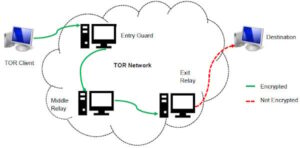
This makes it difficult for anyone to track your online activity or identify your location. It is worth noting that for clearweb, web browsers like Brave and Antidetect browser
FAQs About Dark Web Websites
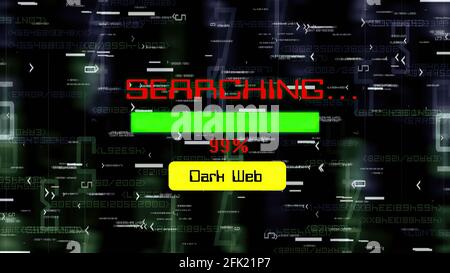
Yes, if you’re using tools like Tor, a VPN, and avoiding suspicious links, these search engines can be safe when used responsibly. Being hidden doesn’t translate into being completely protected from the possibility of tracking, or, when it comes to illegal activities, of risk. However, it’s up to us to take control of our personal privacy in a world of bulk data collection, surveillance, and personalized ad tracking. As search engine crawlers do not catalog these pages, you would need to know the exact link to access a website in this area of the internet.
Dark Web Risks: Threats And Safety Concerns
To safely access the Dark Web, download the Tor Browser, which anonymizes your internet connection. For added security, consider using a VPN like Forest VPN to further encrypt your data and maintain your privacy. If you start to wade into Dark Web waters, it’s not as much about safety as it is about legalities. If you stay in Deep Web territory, there is plenty you can do where online safety isn’t a significant concern.
Understanding The Basics Of Dark Web Searching
They scan for keywords and topics to deliver relevant results while ensuring user anonymity through encryption and routing data through multiple nodes. While the dark web offers unparalleled privacy and freedom, it’s not without risks. From scams to illegal content, users must remain vigilant and informed. By leveraging tools like Forest VPN and adhering to best practices, you can explore this hidden world with confidence and security. Dark web search engines function by indexing “.onion” sites, which are unique to the Tor network.
User Interface And Usability
By 2030, blockchain-based indexing could create tamper-proof, community-driven .onion catalogs, aligning with NotEvil’s non-profit model. OnionLand’s I2P support signals a shift toward multi-network engines covering Tor, I2P, and Freenet. By 2028, NotEvil’s large index (~32 million sites) could extend to I2P and emerging darknets, creating a unified search platform for dark web ecosystems.
Are There Dark Web Search Engines That Support Multimedia Searches Like Images Or Videos?
- And it’s still essential to use strong passwords and two-factor authentication (2FA) to help keep your account secure.
- Its JavaScript reliance sparked privacy debates, but its ~50,000-site index marked a shift toward user-friendly tools.
- The “Privacy Tools” category listed a verified .onion link to ProtonMail, confirmed via r/onions.
- The Dark Web is a hidden part of the internet, completely different from the clear web we all use daily.
- Forums dedicated to illegal activities, including human trafficking and terrorism, also exist in this hidden part of the internet.
Many reputable websites and news outlets like ProPublica and SecureDrop often share official domain addresses of onion sites on their pages. Some users also share links on encrypted apps like Telegram or Keybase that you can check. Another website is Dread, which is often called the “Reddit of the Dark Web.” It’s a community platform where users can discuss new markets, share onion links, add reviews, and much more. It is the dark web’s version of Wikipedia with a massive links directory. You will find all the necessary .onion links to access any content or service on the dark web. The Hidden Wiki isn’t completely unrestricted, because it uses filters to block many of the scam sites found on the dark web.
Dark Web Searching
Nowadays, many people use the Tor browser to surf the public internet and navigate the deeper parts anonymously. For example, it maintains your privacy and enables you to access untraceable content and services. It works by sending internet traffic through volunteer-operated nodes all over the world.
NotEvil is a privacy-focused search engine designed for exploring the invisible web. It offers a clean and straightforward interface, making it easy for you to search hidden services without unnecessary distractions. Unlike many dark web search engines, NotEvil prioritizes user privacy by not storing your search queries or personal data. Ahmia stands out as a deep web search engine that prioritizes filtering illegal content. It ensures a safer browsing experience by excluding harmful or malicious sites from its index.

Happy Chick Software: A Complete Overview Of The All-in-One Retro Gaming Emulator
- Ahmia primarily indexes .onion sites on the dark web, not both surface and dark web content.
- We review and list tools and products without bias, regardless of potential commissions.
- Torch also offers no real filtering or sorting options, making it inefficient for users who need to conduct targeted searches.
- They provide a crucial service by organizing the chaotic and often dangerous landscape of hidden websites.
- For example, it maintains your privacy and enables you to access untraceable content and services.
Perhaps the best-known thing you can buy on the Dark Web is information collected in what seems like the almost daily data breaches we read about in the news. That information can include checking and credit card account numbers, social security numbers, and other sensitive information. Anyone can access the dark web, and it’s not that complicated to do so. Tails always starts with a clean slate and any evidence of the activities you engage in while using Tails disappears when you shut down Tails. This includes evidence of any websites you visit, files you open, passwords you use, and even any other devices or networks you connect to.
BBC Tor Mirror

NotEvil’s addition enhances the toolkit, offering a beginner-friendly, privacy-focused option for safe exploration. Future engines may offer anonymized analytics, like Ahmia’s traffic trends, to provide insights (e.g., popular .onion categories) without compromising user privacy. Centralized indexing (e.g., Torch, Haystak) is vulnerable to takedowns or operator bias.
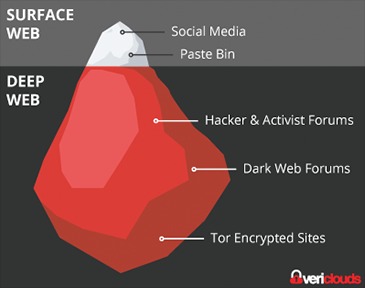
Malicious links are a common threat, and clicking on them can expose your device to malware or phishing attacks. Hackers often use these links to steal sensitive data or compromise systems. To stay safe, you must verify the legitimacy of every link before clicking. AI-powered search engines can analyze vast amounts of data to deliver more accurate and relevant results. This technology is particularly useful for academic research and investigative journalism. Tools like Flare empower your team to conduct reconnaissance on the dark web, scanning for stolen data and other information that might jeopardize your systems and networks.
It searches through databases, member directories, court records, and more to share relevant information about a person. Simply put, it fetches information from the deep web, which conventional search engines can’t. The browser doesn’t limit itself and thus generates results from over 400 individual sources, from popular search engines to crowdsourced sites. The best part is that DuckDuckGo respects its user’s privacy and does not track or collect personal data. It provides indexed links to various .onion web pages, guiding users through the often treacherous waters of dark web browsing. Although The Hidden Wiki includes filters to block many dangerous sites, some risky links may still be present, necessitating caution as users explore.