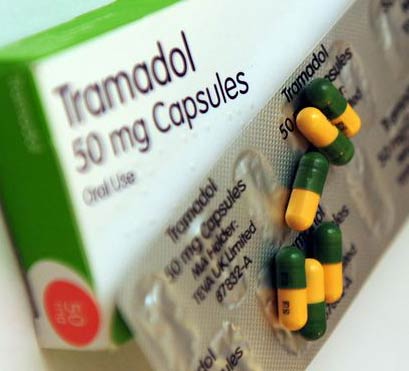
There are other signs more specific to tramadol dependence to be aware of if you’re concerned someone has a dependence to it. Taking tramadol increases the risk of seizures for those with a history of seizures, a head injury, a metabolic disorder, or those taking antidepressants, muscle relaxers and narcotics. Before taking tramadol, be sure to inform your doctor if you have kidney disease, cirrhosis or other liver disease, a stomach disorder, or a history of depression and mental illness, the Mayo Clinic reports. It is also important not to suddenly stop taking tramadol, according to the NIH. Doing so may cause withdrawal symptoms, such as nervousness, panic, sweating, difficulty falling asleep, runny nose, chills, nausea, diarrhea and hallucinations. However, tramadol’s opioid and serotonergic effects are important because they allow tramadol to treat both pain and the psychological components of pain, he said.
What Happen If I Missed Tramadol Hydrochloride?
Tramadol is not a nonsteroidal anti-inflammatory drug (NSAID), therefore, it does not have the increased risk of stomach ulcers and internal bleeding that can occur with NSAIDs. It is the M1 metabolite that has the highest affinity to the mu-opioid receptor. Therefore, the opioid effects of tramadol depend on metabolization of the drug which can be highly variable. Tramadol is metabolized by cytochrome P450 enzymes, most importantly CYP2D6. If you are taking the tramadol extended-release tablet or capsule, swallow them whole; do not chew, break, divide, crush, or dissolve them. If you swallow broken, chewed, crushed, or dissolved extended-release preparations, you may receive too much tramadol at once instead and this may cause serious problems, including overdose and death.
Administration
The relative contribution of both tramadol and M1 to human analgesia is dependent upon the plasma concentrations of each compound see CLINICAL PHARMACOLOGY. Inpatients with creatinine clearances of less than 30 mL/min, dosing reduction is recommended see DOSAGE AND ADMINISTRATION. Metabolism of tramadol and M1 is reduced in patients with severe hepatic impairment based on as tudy in patients with advanced cirrhosis of the liver.
3 Opioid Analgesic Risk Evaluation And Mitigation Strategy (REMS)
Physical dependence may lead to side effects when you suddenly stop taking the medicine. Since this medicine is only used for short-term relief of pain, mental and physical dependence will probably not occur. The drug has off-label uses for premature ejaculation and restless leg syndrome that are refractory to other medications. This activity outlines the indications, mechanism of action, administration methods, significant adverse effects, contraindications, toxicity, and monitoring protocols of tramadol. This activity empowers clinicians to appropriately direct patient therapy within the interprofessional team when tramadol is indicated and assess its distinguishing features compared to other pain medications. No drug-related teratogenic effects were observed in progeny of mice, (up to 140 mg/kg or 420 mg/ m2), rats (up to 80 mg/kg or 480 mg/ m2) or rabbits (up to 300 mg/kg or 3600 mg/ m2) treated with tramadol by various routes.
Seizures have been reported in patients receiving ULTRAM within the recommended dosage range. Spontaneouspostmarketing reports indicate that seizure risk is increased with doses of ULTRAM above the recommended range. Although the risk of addiction in any individual is unknown, it can occur in patients appropriately prescribed ULTRAM. Addiction can occur at recommended dosages and if the drug is misused or abused. Both tolerance and physical dependence can develop during chronic opioid therapy. “Drug-seeking” behavior is very common in persons with substance use disorders.

Use In Ambulatory Patients
You may encounter withdrawal symptoms if you stop taking it suddenly. Tramadol and hydrocodone are both prescribed to treat moderate to severe pain. If you use tramadol or hydrocodone for an extended period of time, your body may develop a tolerance to the drug. Because tramadol and hydrocodone are both opioid drugs, they share similar side effects. Your prescribing doctor will work with you to develop an appropriate treatment plan. Controlled substances are organized into different categories, called schedules, based on the potential for misuse or dependence.
Why Does Tramadol Hydrochloride Give Me Energy?
You should make sure that you and your family members, caregivers, or the people who spend time with you know how to recognize an overdose, how to use naloxone, and what to do until emergency medical help arrives. Your doctor or pharmacist will show you and your family members how to use the medication. Ask your pharmacist for the instructions or visit the manufacturer’s website to get the instructions.
Tramadol May Cause Side Effects Tell Your Doctor If Any Of These Symptoms Are Severe Or Do Not Go Away:
Because tramadol can cause respiratory depression, patients with a history of severe respiratory depression or bronchial asthma absent the necessary equipment should avoid taking tramadol. Patients currently on MAO inhibitors or those who have been on MAO inhibitors for 14 days should not receive tramadol.5 People who have gastrointestinal obstruction should not use tramadol. While naloxone will reverse some, but not all, symptoms caused by overdosage with tramadol, the risk of seizures is also increased with naloxone administration. In animals convulsions following the administration of toxic doses of tramadol hydrochloride tablet could be suppressed with barbiturates or benzodiazepines but were increased with naloxone. Naloxone administration did not change the lethality of an overdose in mice. Hemodialysis is not expected to be helpful in an overdose because it removes less than 7% of the administered dose in a 4-hour dialysis period.
- The incorrect use of prescriptions is a significant contributor to opioid use disorder, so the proper administration of the drug can help prevent drug use disorder.
- Tramadol drops, injections and some tablets and capsules will start to work within 30 to 60 minutes.
- The nursing staff is also integral in managing tramadol therapy, serving as initial contact points for the prescribing clinician and answering questions regarding dosing, administration, and adverse events.
- Tramadol is generally not recommended while breastfeeding, as it can pass into breast milk and potentially affect the nursing infant.
- Snorting the drug increases the intensity of the effect of the drug, but brings it in large doses into the bloodstream.
If withdrawal symptoms arise, it may be necessary to pause the taper for a period of time or raise the dose of the opioid analgesic to the previous dose, and then proceed with a slower taper. In addition, monitor patients for any changes in mood, emergence of suicidal thoughts, or use of other substances. Use tramadol hydrochloride tablets with great caution in patients taking monoamine oxidase inhibitors.

It inhibits the re uptake of neurotransmitters- serotonin and noradrenaline. Thus it modifies the transmission of pain impulses by activating both descending serotonergic pathways and noradrenergic pathways involved in analgesia. The analgesic effects of Tramadol hydrochloride are mediated via stimulation of mu-opioid receptors and indirect modulation of central monoaminergic inhibitory pathways. In studies including geriatric patients, treatment-limiting adverse events were higher in subjects over 75 years of age compared to those under 65 years of age. A total of 455 elderly (65 years of age or older) subjects were exposed to tramadol hydrochloride tablets in controlled clinical trials.
Deaths due to overdose have been reported with abuse and misuse of tramadol see WARNINGS AND PRECAUTIONS; Drug Abuse And Dependence. Inform patients of the risk of life-threatening respiratory depression, including information that the risk is greatest when starting ULTRAM or when the dosage is increased, and that it can occur even at recommended dosages. ULTRAM may cause severe hypotension including orthostatic hypotension and syncope in ambulatory patients. There is increased risk in patients whose ability to maintain blood pressure has already been compromised by a reduced blood volumeor concurrent administration of certain CNS depressant drugs (e.g. phenothiazines or general anesthetics) see DRUG INTERACTIONS.

Effective communication and collaboration among healthcare team members ensure timely addressing and reporting any issues or concerns to prescribing clinicians. An interprofessional team approach involving prescribing clinicians, specialists, nurses, pharmacists, toxicologists, and case managers is essential for optimizing pain management outcomes with tramadol while minimizing the risk of adverse drug reactions. Serious potential consequences of overdosage with tramadol hydrochloride tablets are central nervous system depression, respiratory depression and death. Some deaths have occurred as a consequence of the accidental ingestion of excessive quantities of tramadol alone or in combination with other drugs.